The Winter Appointment Ledger: A Calm Approach to Flu and COVID-19 Vaccination With MS
Winter brings a familiar crop of NHS letters, text messages and app notifications about flu and COVID-19 vaccination. For people living with multiple sclerosis, the invitation itself is rarely the difficult part. The difficulty tends to sit around it: finding a time that fits your energy, knowing what to ask your MS team, arranging the journey home and keeping track of what happened when. A little organisation can make the whole exercise feel less like an interruption and more like a routine piece of winter housekeeping.
This article is about planning and confidence, not medical advice. Eligibility, vaccine products and clinical timing are matters for the NHS and your own healthcare team. What follows is a practical framework for arriving prepared and leaving with your records in order.
Begin with the invitation in front of you
NHS vaccination invitations may arrive by post, text message, email or through the NHS App. They can come from a GP surgery, a pharmacy or a local vaccination service. Rather than trying to hold the details in your head, create one place for them: a paper folder, a note on your phone or a single page in a diary. Record the date, the location, which vaccination is being offered and any instructions about what to bring.
If you believe you are eligible but have not received an invitation, check the current NHS guidance for England, Scotland, Wales or Northern Ireland, or contact your GP surgery. Eligibility rules can change, and the invitation you receive may relate to only one of the winter vaccines. It is reasonable to ask for clarification rather than assume. Keep the tone matter-of-fact: this is admin, not a test.
Choose a time that respects your usual rhythm
Appointment slots are often offered in batches, and it can be tempting to take the first one available. Where there is a choice, think about your typical MS day. If mornings are usually steadier, look for a mid-morning slot. If you know that a busy waiting room will drain you, ask the service whether there is a quieter period. Pharmacy teams and GP reception staff are used to such questions and can often suggest a better time.
Allow a buffer before and after. A vaccination appointment itself may be brief, but travel, queuing and waiting can add up. Avoid booking it immediately before a demanding commitment, and consider whether someone could accompany you or meet you afterwards. The aim is not to wrap your day in cotton wool, but to avoid borrowing energy from the following day for the sake of a ten-minute appointment.
Prepare a short question list for your MS team
Some people with MS will have no particular questions before a winter vaccination. Others will want to discuss the timing of disease-modifying therapies, recent steroid treatment, a relapse or other medicines. These are clinical matters, and the right answers belong with your neurologist, MS nurse or GP. The practical step is to ask early enough that the answer arrives before the appointment.
A short list might include: whether my current MS treatment has any implications for the timing of this vaccination; whether a recent relapse or course of steroids should be mentioned; and who I should contact if I have questions on the day. Write the questions down and note the answers in the same place as your appointment details. If you are speaking to a receptionist rather than a clinician, ask to be directed to the right person. There is no need to apologise for wanting the record to be clear.
Keep the appointment itself ordinary
On the day, take only what you need: your invitation if you have one, a list of current medicines, a vaccination record card if you keep one, water and perhaps a snack. Wear a layer that allows a sleeve to be rolled up easily. If you use the NHS App, check before leaving that you can access it, but do not rely on a phone alone if a paper record would be simpler.
At the service, mention that you have MS if it is relevant to access needs or to the person vaccinating you. You can ask for a quieter seat, a little more time or a clear explanation of what is happening. After the vaccination, follow the waiting advice given by the service. If you feel unwell, say so rather than pressing on. Arrange your journey home in advance where possible, and avoid driving if you are feeling faint or unusually tired.
Record what happened, then let the day settle
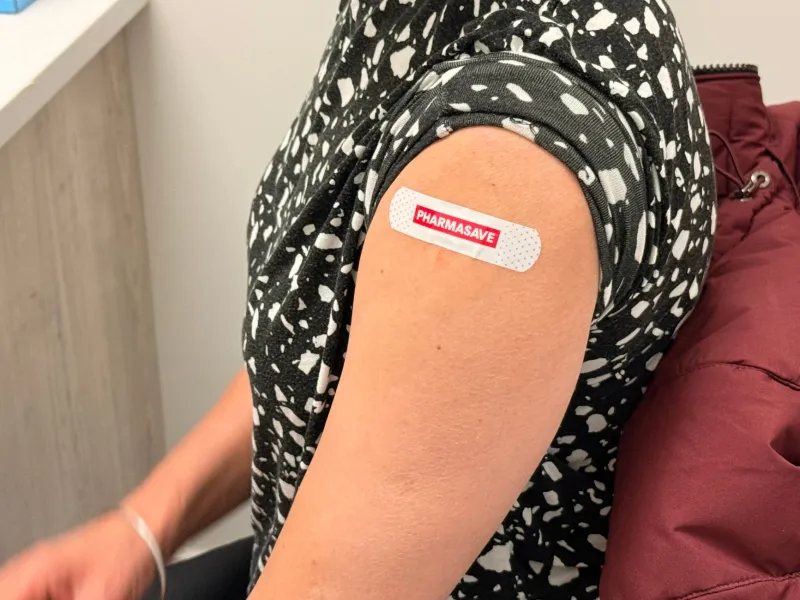
Before the details fade, note the date, the vaccination given and the arm used. Keep any card or printout with your other health records. If you use a symptom diary, a brief entry is enough: how the appointment went, whether the journey was manageable and anything you would do differently next time. This small ledger becomes useful when another invite arrives, or when you are asked about vaccination history at a future appointment.
Plan a quiet evening. Have something simple to eat, keep commitments light and give yourself permission to stop earlier than usual. If you notice symptoms afterwards that concern you, contact NHS 111 or your MS team as appropriate. Most people will have nothing more than a sore arm or a passing tiredness, but knowing who to call is part of feeling prepared.
A steadier winter, one entry at a time
Winter vaccination need not be a source of anxiety. Read the invitation, choose a sensible slot, ask your clinical questions early and keep a simple record. In 2026, the NHS continues to offer winter vaccines to those who are eligible, and the details can differ between nations and services. A calm check against current guidance, rather than memory or assumption, is the most reliable starting point. With the admin handled, the appointment can take its proper place: a small, ordinary task in a well-managed winter.