When Simple Wins: Seven Low-Tech MS Measures That Still Earn Their Place

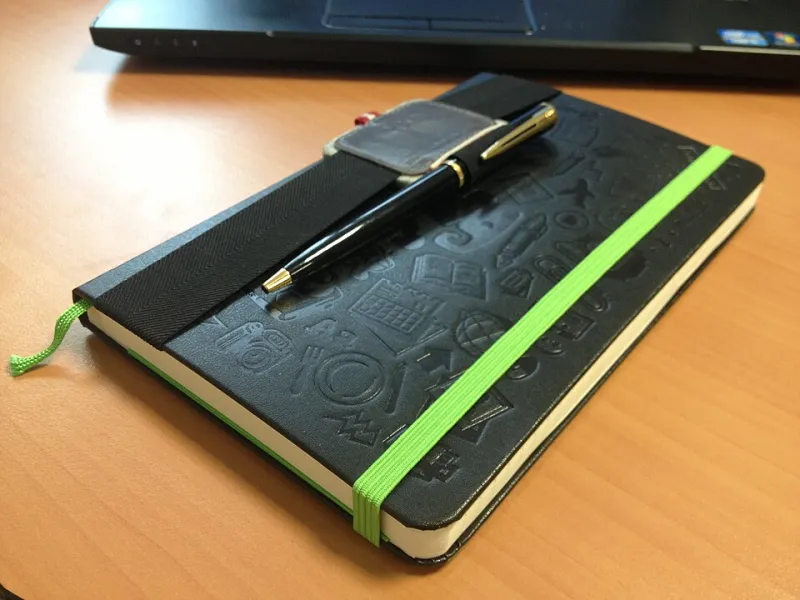
Photo: low tech kitchen trolley shower stool freezer labels home aids UK, via www.centraldatacore.com
There is no prize for using the most sophisticated solution. For many people living with multiple sclerosis, the most reliable support is the kind that works when the phone is flat, the broadband is down or the day has already become too complicated for another login screen. This is not an argument against apps. Digital tools have a place, particularly for reminders and symptom tracking. The test is simpler: does a measure reduce effort, and does it remain usable on a difficult day?
The seven ideas below are deliberately ordinary. They are not treatments for MS, and they will not suit everyone. Each entry suggests what to try, when to be cautious and how to adapt the idea as symptoms fluctuate. In the UK, many can be found through high-street shops, community equipment services or local disability organisations without a large outlay.
1. A freezer reserve rather than a meal plan
A detailed weekly menu can look efficient on paper and become burdensome in practice. A small reserve of acceptable frozen meals is often more useful. Try keeping two or three portions of something you genuinely enjoy in the freezer, labelled with the date. This is not about batch-cooking heroics; a supermarket ready meal or a duplicated home-cooked portion both count.
Consider skipping this if freezer space is limited or if food safety is difficult to manage. Adapt by keeping a short list of low-effort meals on the fridge door, including items that need no chopping. The aim is to remove one decision on a day when fatigue is high.
2. A shower stool and a properly fitted grab rail
A shower stool can make washing safer and less tiring, particularly during a relapse or in hot weather. A grab rail may also help, but it should be fitted properly. In the UK, an occupational therapist can assess bathroom safety and, in some areas, a community equipment service may provide or advise on aids. Try a stool before committing to a larger bathroom change. Consider skipping temporary suction rails, which can fail, and any equipment that has not been assessed for your bathroom.
Adapt by using the stool only on difficult days rather than treating it as a permanent statement about ability. Some people find a perching stool useful at the basin as well.
3. Labels, duplicates and a low-effort filing system
Cognitive fatigue can make ordinary searching surprisingly draining. A simple label system for food, paperwork, cables or medication storage can reduce that load. The strongest version is usually boring: broad categories, large print and a consistent place for everyday items. Try labelling freezer portions, folder spines and storage boxes. Keep duplicates of small essentials, such as chargers or reading glasses, where you commonly need them.
Consider skipping elaborate colour-coded systems that require maintenance. Adapt by reviewing labels every few months and removing any that no longer make sense. If medication is involved, follow pharmacy advice and keep labels clear and legible rather than relying on memory.
4. A cooling scarf that works with central heating as well as summer
Cooling scarves are often associated with warm weather, but they can also be useful in overheated shops, crowded transport or centrally heated offices. Try a lightweight neck wrap that can be soaked and worn without complicated preparation. Consider skipping heavy or bulky versions if you already carry a lot of equipment. Adapt by keeping one in a bag and another at home, so the measure does not depend on remembering to move it.
This is not a treatment for MS-related heat sensitivity, but it can be a practical comfort measure. If you are unsure whether cooling is appropriate for you, discuss it with your MS team.
5. A kitchen trolley instead of repeated carrying
Carrying items between kitchen and table can involve more trips, balance demands and effort than it appears. A simple trolley can reduce that load. Try a lightweight trolley with a brake if possible, and check that it fits doorways. Consider skipping anything unstable or too heavy to move easily. Adapt by using the trolley for one specific routine, such as clearing the table or moving a hot drink, rather than expecting it to solve every kitchen task.
A tray can serve a similar purpose at lower cost, provided it is not overloaded. The principle is to reduce repeated journeys, not to buy more equipment than you need.
6. A paper checklist or whiteboard by the door
Apps are good at reminding, but they are not always good at being seen. A small whiteboard or paper checklist near the door can carry the handful of things that matter before leaving: keys, medication, phone, travel card, appointment letter. Try a short list in large print. Consider skipping long lists that become background clutter. Adapt by changing the list seasonally, adding a warm layer in winter or an umbrella in wet weather.
For some people, a paper diary remains more dependable than a calendar app because it does not require unlocking, charging or navigating. The best system is the one you will actually check.
7. A bedside or doorway station for everyday essentials
Fatigue can make repeated trips across a room feel disproportionate. A simple basket or caddy can keep water, a phone charger, tissues, a remote control or a notebook within reach. Try one station at the bedside and another by the door if that is where clutter accumulates. Consider skipping open containers if small items become visually overwhelming. Adapt by clearing the station weekly and removing anything that has not been used.
This is a small measure, but it can protect energy in a way that is easy to overlook. It also reduces the chance of leaving something essential behind when you are already tired.
The case for keeping things simple
The common thread is not nostalgia for paper and plastic. It is reliability. A good low-tech measure should be easy to explain, easy to replace and easy to stop using if it no longer helps. It should not require a subscription, a routine upgrade or a good day to set up.
Apps can support that approach, particularly for appointment reminders or symptom records. But the most useful MS toolkit is often the one that asks the least of you when you have the least to give. In a condition where symptoms fluctuate, simplicity is not a compromise. It is often the more intelligent choice.