Before the Review: A Practical Question Set for Your Next MS Appointment
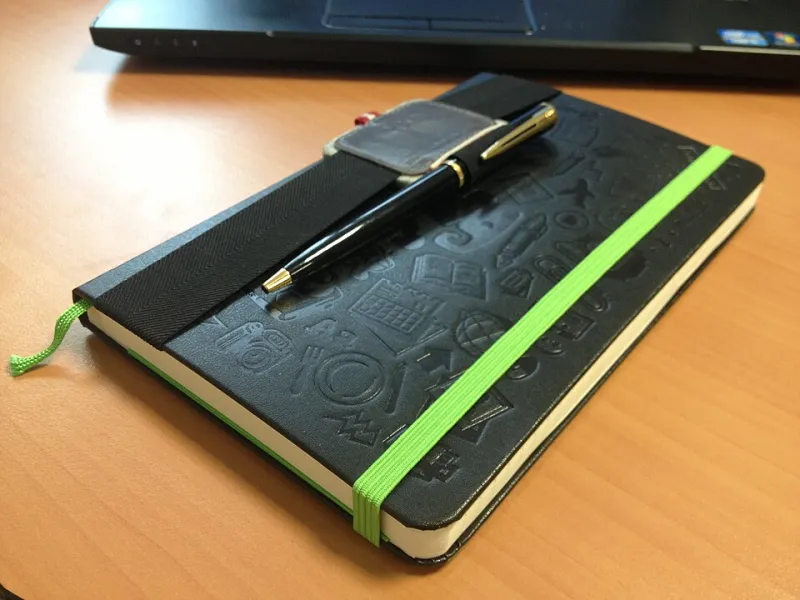
Photo: Guy Sie from Utrecht, Netherlands, CC BY-SA 2.0, via Wikimedia Commons
An MS review can be over almost before it has begun. You may have waited weeks or months, then found yourself in a fifteen-minute slot trying to remember three important points while a clinician types. The problem is rarely a lack of things to say. It is that the appointment is short, the setting is formal, and memory is unreliable under pressure. A written question set does not guarantee more time, but it does help you use the time you have.
Why a written list helps
A list turns a vague sense of concern into specific requests. It also protects against the common experience of leaving the room and remembering the one question that mattered most. The aim is not to hand over a long document or to challenge the clinician. It is to arrive with a short, prioritised set of points that can be addressed in the order that matters to you.
Ten questions worth taking
-
What has changed since we last met, and what should I be tracking? This invites a brief review of symptoms, relapses, falls, fatigue or bladder changes. Ask whether a symptom diary would help before the next review, and what specific information would be useful.
-
Is my current medication still the best fit for me? Ask about benefits, side effects, adherence and monitoring. If you have missed doses or are concerned about tolerability, say so. The answer may be that nothing needs to change, but the question gives you a clear rationale.
-
What counts as a relapse, and what should I do if I think I am having one? Clarify who to contact, how quickly, and what symptoms should prompt urgent assessment. Ask whether steroids would be considered and where you should go if symptoms are severe or unusual.
-
Which referrals would be useful now? Physiotherapy, occupational therapy, continence services, speech and language therapy, or psychology may be relevant. Ask what the referral pathway is, how long waits tend to be, and whether you can be referred during this appointment.
-
Can you support reasonable adjustments at work or study? If fatigue, mobility or cognition affect your work, ask whether a brief letter or report would help. In the UK, reasonable adjustments may be relevant under the Equality Act 2010, and Access to Work can sometimes provide practical support. You do not need to have all the answers; you need to know what evidence your employer may request.
-
What monitoring is due? Ask about blood tests, MRI timing, and any reviews related to your disease-modifying therapy. If you are unsure why a test is being done, ask what the result will change.
-
What are my options for fatigue, pain, spasticity or bladder symptoms? Bring one or two symptoms you most want to address. Ask what non-medication approaches are available, what medication options exist, and what the next step would be if the first approach does not help.
-
Can you explain my current diagnosis and latest results in plain terms? Ask for the name of your MS type, the date and result of your most recent MRI if relevant, and what the team is monitoring. A short explanation can reduce uncertainty and help you make decisions.
-
What should prompt me to contact the team urgently? Ask for specific red flags: new severe weakness, sudden vision loss, difficulty speaking or swallowing, severe infection, or any symptom that feels different from your usual pattern. Clarify whether NHS 111, your GP, the MS nurse or the hospital is the right first contact.
-
What is the plan, who owns each action, and can I have it in writing? End with a summary. Ask who will arrange referrals, who will write to your GP, and when you should expect to hear. A copy of the clinic letter is useful for your own records and for anyone helping you at home or at work.
Preparing in the fortnight before
Keep a note on your phone or a sheet of paper and add to it as things occur to you. In the week before the appointment, reduce the list to your top three priorities. Write one line for each: what you have noticed, what you want to ask, and what you hope will happen. If you are bringing someone with you, agree beforehand who will take notes and who will speak. It can help to have a second person listen, but it is worth deciding how to avoid two people talking at once.
In a short appointment
Start with your main concern rather than saving it for the end. If the clinician moves quickly, it is reasonable to say: “There are three things I most want to cover today.” Use the list as a prompt, not a script. If time runs out, ask what can be dealt with by message, phone call or a follow-up appointment. You are not being difficult by asking for a plan; you are helping the consultation to be useful.
After the appointment
Write down what was agreed while it is fresh. Note any referrals, tests, medication changes and who will contact whom. If you do not receive a clinic letter within a reasonable time, ask the MS team or the consultant’s secretary. A brief follow-up message through the agreed route can clarify points that were rushed.
A review is not an exam, and you are not expected to remember everything. A short list, a clear priority and a request for a written plan can make a short NHS appointment more productive — and help you leave with a clearer sense of what happens next.