Cards, Keys and Lanyards: A Steady 2026 Access Check for Life With MS
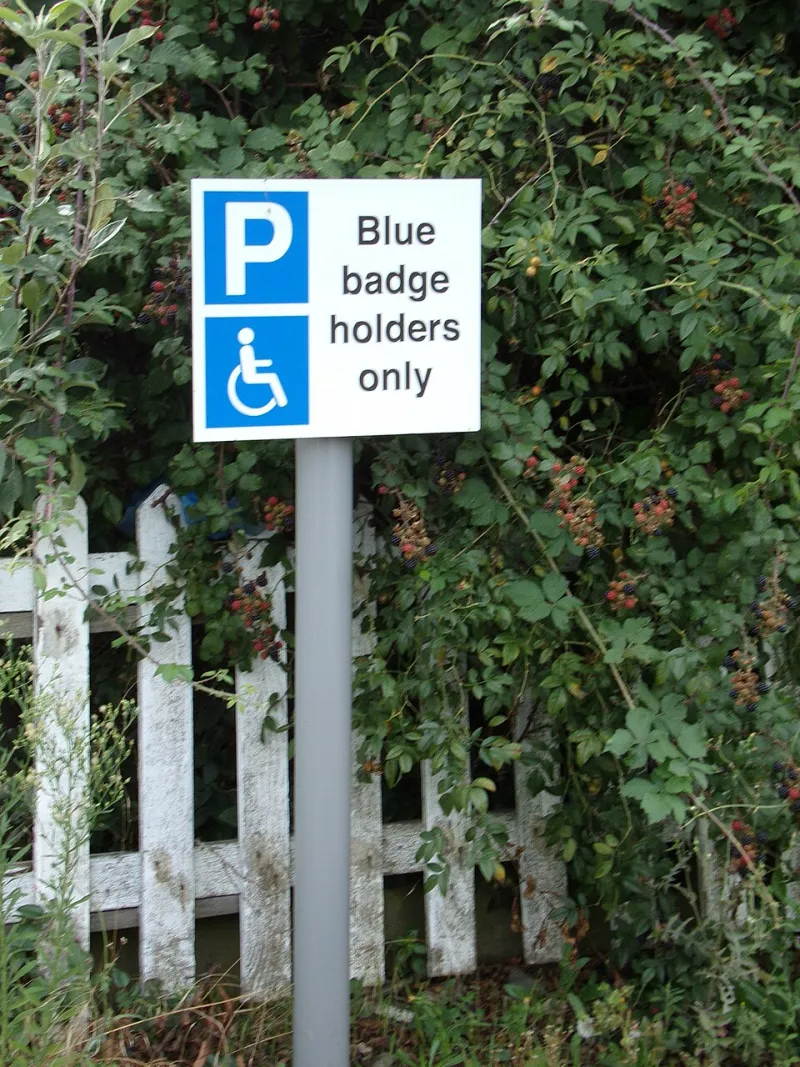
Photo: Geographer , CC BY-SA 2.0, via Wikimedia Commons
Access tools are rarely exciting, and that is rather the point. A Blue Badge, a bus pass, a Radar Key and a lanyard are the sort of items that sit in a wallet untouched for months and then, on one difficult afternoon, make the difference between going out and staying in.
Because they are used so intermittently, they are also easily forgotten. A badge quietly expires. A pass is left in an old coat. Evidence letters are filed somewhere sensible and never found again. The check below is designed to be done once, in a couple of sittings, and then reviewed lightly each year.
Start with what you already hold
Before applying for anything, gather what you have. Empty the wallet, check the drawer by the door, and look at the expiry dates on any cards. It is common to discover that a Blue Badge lapsed eight months ago, or that a concessionary pass has never been renewed since it was first issued.
Write down four things for each item: what it is, when it expires, who issues it, and where the paperwork lives. That single list removes most of the friction.
The Blue Badge
In England, the Blue Badge is issued by your local council, not by a national body, and applications are made through GOV.UK, which routes you to the right authority. A fee of up to £10 may apply in England; the badge is free in Scotland and Wales. In Northern Ireland the scheme is administered separately through the Blue Badge Digital Service (nidirect). Most badges last three years, though some are issued for shorter periods.
Eligibility falls into two broad routes. Some people qualify automatically, for example where they receive the higher rate mobility component of Disability Living Allowance, the enhanced mobility component of Personal Independence Payment with a specified score, or Adult Disability Payment in Scotland at the equivalent rate. Others apply under the further assessment route, describing how a condition such as MS affects walking distance, pace, or the risk of harm during a journey.
The badge belongs to the person, not the vehicle. It can be used when you are travelling as a driver or as a passenger, and it should be displayed correctly with the clock set.
Be wary of any website that offers to "process" a Blue Badge application for a fee. The official route never requires a paid intermediary.
Concessionary travel passes
England's older persons and disabled persons concessionary travel passes are administered by local councils and typically allow free off-peak bus travel within England. In Scotland the equivalent sits on the National Entitlement Card, and in Wales the disabled persons bus pass is issued through local authorities. Northern Ireland uses the SmartPass system.
Disabled persons passes usually have no age requirement, so it is worth applying even if you are nowhere near state pension age. Some schemes extend to a companion travelling with you, which is worth asking about explicitly. Renewal cycles vary, and some councils now send reminders by email only, so check that they hold your current address.
The Radar Key
The Radar Key opens around ten thousand accessible toilets across the UK, many of them fitted with a standard lock. Keys are sold at low cost by Disability Rights UK, and some councils and disability organisations issue them free. They are small, cheap and easy to lose, so a spare kept in a bag you do not use every day is a sensible precaution.
The sunflower lanyard
The Hidden Disabilities Sunflower is a voluntary signal, not a legal entitlement. It tells staff that you may need a little more time, patience or assistance, without requiring an explanation. Lanyards and cards are available free from the customer service desks of many supermarkets, airports and railway stations, and can also be purchased with additional items such as a card holder carrying brief instructions.
Because it carries no formal status, its usefulness depends on the venue. Airports and large stations are generally well trained; smaller venues may not recognise it.
Gathering evidence calmly
Applications become stressful mainly because evidence is scattered. A single cardboard folder, physical or scanned, solves most of this. Keep in it: recent award letters, a list of current prescriptions, the most recent letter from your neurologist or MS nurse, and two or three appointment letters showing ongoing care.
If a letter would help but you do not have one, ask your MS nurse or GP surgery for a short summary of how your condition affects daily life. Give them at least two weeks and be specific about what the form is asking. Reception teams handle this regularly and a clear request is usually well received.
Photograph every form before posting it, and keep a note of the date you sent it. Council processing times vary considerably, and a polite follow-up is much easier with a reference number and a date.
Asking for help without overcomplicating it
A short script helps. Something like: "I have multiple sclerosis and I may need a seat or a little more time. Could you help me with that?" is enough at a station, a venue or a council office. You are not obliged to explain the condition, produce documents on the spot, or justify the request.
If a phone call is difficult, most councils offer email or an online form, and many will accept a call-back request. Citizens Advice and local MS groups can also help with form-filling where an application feels daunting.
A simple annual rhythm
Once a year, ideally in the same month, check the expiry dates, confirm your address is current with each issuer, and replace anything lost. Beyond that, the tools should fade into the background, which is exactly what they are for: small things in a wallet that quietly keep the day steady.